Vertical Divider Collection
A Designer’s First Look: Clean, Quiet, and Surprisingly Versatile
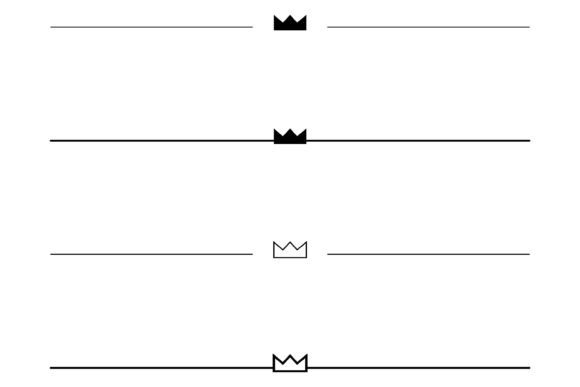
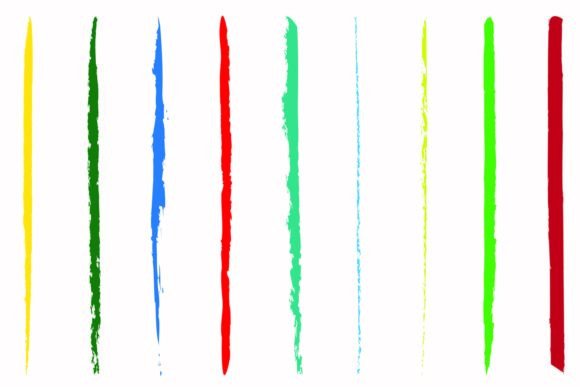
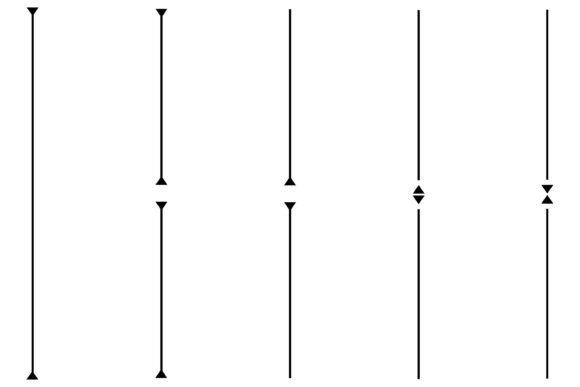
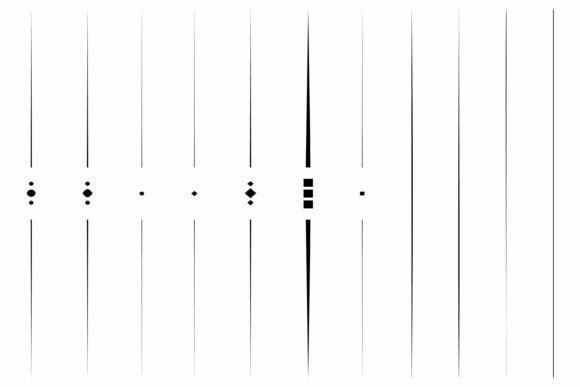
When I opened the Vertical Divider Collection, my first thought wasn’t “Wow!”—it was “Yes. This belongs.” These aren’t flashy icons or ornate borders. They’re subtle, intentional line art dividers—eleven distinct vertical motifs, each with quiet rhythm and confident spacing. Some lean minimalist, others carry a gentle botanical or geometric whisper. None scream for attention—but all hold space with purpose. As a designer who regularly stitches for boutique clients and small-run handmade goods, I immediately pictured them framing monogrammed initials on a linen tea towel, separating sections of an embroidered baby onesie, or anchoring a clean logo layout on a custom apron.
Where It Shines in Real Embroidery Projects
I tested three motifs from the Vertical Divider Collection on a mid-weight cotton tote, a brushed cotton sweatshirt, and a lightweight organic cotton baby blanket—each with different stabilizer strategies and thread palettes. The results confirmed what the files suggest: this is a Web Elements set built for clarity, not complexity. On the tote, a single divider stitched cleanly along the side seam—no puckering, no lost detail—even at 2.5 inches tall. On the sweatshirt, it held its shape beautifully over the ribbed texture when paired with medium cutaway stabilizer and a balanced satin stitch edge. And on the baby blanket? Its lightness made it feel like part of the fabric—not applied, but integrated.
For embroidery project variety, it works especially well as a design asset for:
- Custom apparel: Framing small text on sleeve cuffs or back necklines
- Embroidered patch accents—especially when layered behind a simple initial or icon
- Holiday embroidery and wedding gifts: A refined divider between names and dates on linen napkins or pillow covers
- Etsy seller branding: Adding consistent visual punctuation to product tags, packaging labels, or digital shop banners
- Small shop product presentation: Separating price, material, and care info on woven fabric hang tags
Where to Proceed With Care
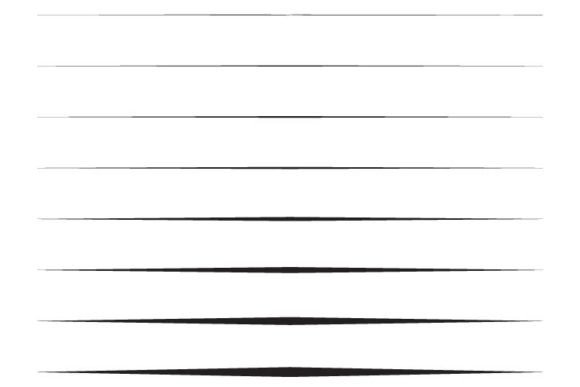
This isn’t a one-size-fits-all motif set—and that’s a strength, not a limitation. Because these are line-based Graphics, fine details matter more than bold fills. I’d avoid using the most intricate divider (the one with intersecting vine-like curves) on stretchy jersey or thin voile without extensive testing. On dark fabric, subtle line weight can disappear unless you boost contrast with brighter thread colors—or add a narrow fill stitch behind key segments. And on curved surfaces like caps? Stick to the straighter, bolder options; the slender tapered versions may distort slightly if hooped too tightly.
Also worth noting: while the Vertical Divider Collection includes both vertical and horizontal variants (per the description), the real power lies in its vertical orientation. Use the horizontals sparingly—only where layout logic demands balance, not default repetition.
How It Elevates Your Finished Product
In handmade product markets, perceived value lives in restraint. A well-placed divider signals intentionality. When customers see a clean, confident break between elements on your personalized gift or custom apparel, they don’t just register “design”—they register *care*. That translates directly into trust, repeat orders, and word-of-mouth referrals. I’ve watched Etsy buyers pause longer on listings that use subtle dividers like these in mockups—it creates breathing room, improves scannability, and quietly reinforces brand consistency across physical and digital touchpoints.
And for craft business owners building cohesive collections—say, a nursery line with matching bibs, blankets, and wall art—the Vertical Divider Collection becomes a quiet throughline. Not a logo, not a pattern—but a shared visual grammar that makes everything feel like it belongs together.
Practical Notes Every Embroidery Designer Should Keep Handy
Before stitching your first machine embroidery design from this set:
- Test on scrap fabric—especially if using textured, stretchy, or dark materials
- Check thread color contrast early; some motifs rely entirely on silhouette
- Review stitch density manually if editing the file—overly tight lines can blur on low-ply thread
- Confirm hoop size compatibility; most fit comfortably in a 4x4 hoop, but the tallest variants may require 5x7
- Inspect small corners and endpoints; line art can fray visually if stitch starts/stops aren’t optimized
- Try black-and-white mockups first—you’ll spot balance issues faster
- Compare light and dark backgrounds in your digital preview software before sending to machine
- Use appropriate stabilizer: tear-away for stable wovens, cutaway for knits or delicate fabrics
- Verify licensing terms before selling finished items or bundling the digital embroidery file into your own kits
Final Thought: A Tool, Not a Trend
The Vertical Divider Collection won’t go viral. It won’t dominate your Instagram feed. But it will make your next embroidery project feel more resolved, more professional, and more authentically yours. Whether you’re stitching a single personalized gift or scaling production for your craft business, these dividers offer the kind of quiet utility that builds long-term confidence—not just in your designs, but in how your customers experience them. That’s not filler. That’s foundation.