Creative Infographic Three Step Template: Graphics & Web Elements
First Impressions: A Warm, Story-Driven Visual Anchor
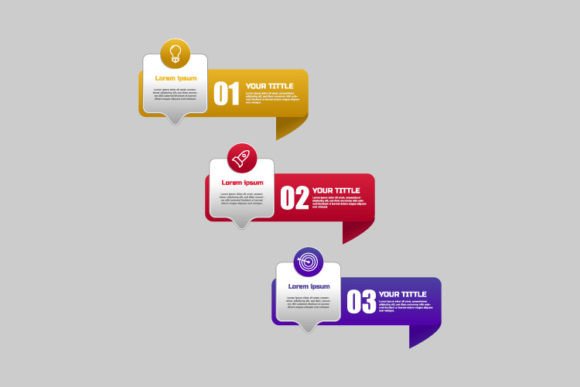
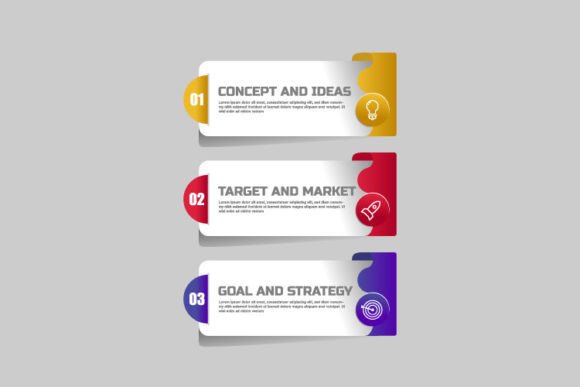
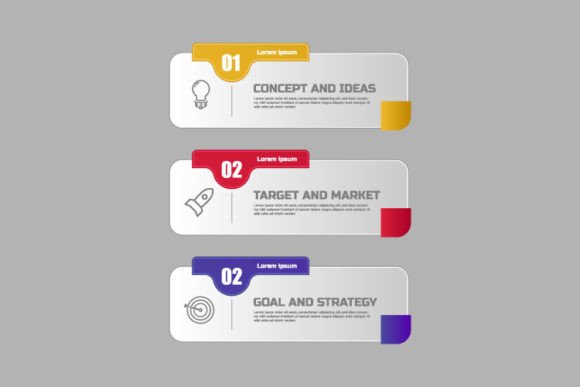
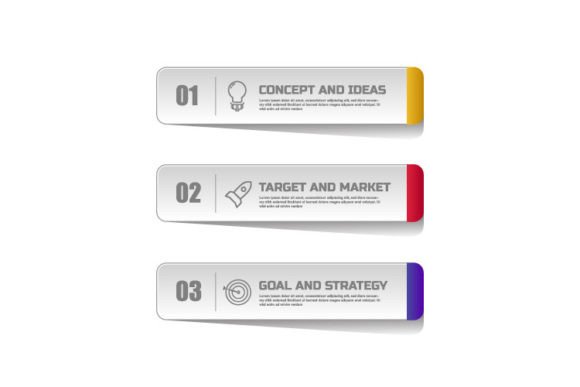
When I opened Creative Infographic Three Step Template for a recent client project—a seasonal launch for a handmade botanical tea brand—the first thing that stood out was its gentle rhythm. It’s not loud or aggressive; it’s a quiet storyteller. The three-step flow feels intuitive, almost conversational, with soft curves, balanced negative space, and subtle texture cues that suggest hand-drawn warmth without sacrificing polish. This isn’t corporate minimalism—it’s modern design with soul. It leans into approachability, making it ideal for small business branding, Etsy product pages, or wellness-focused social media graphics.
Fits Like a Well-Tailored Element in Real Client Work
I tested Creative Infographic Three Step Template across multiple touchpoints: a product mockup for compostable tea sachets, an Instagram carousel explaining brewing steps, printable wall art for the brand’s pop-up shop, and a Cricut-ready sticker sheet for packaging accents. In every case, it elevated the visual mood without competing with core brand elements. As a graphic design asset, it works especially well as a supporting brand element—adding narrative clarity to otherwise static layouts. For print-on-demand sellers, the included Ai, Eps, and SVG files allowed clean scaling for mug wraps and tote bag prints. As a PNG design, the transparent background made it drop seamlessly into Canva templates and editorial blog visuals.
Where It Shines: Contexts That Match Its Voice
- Large layout areas: Used as a hero graphic on a Shopify landing page, it gave structure to a “How Our Tea Is Made” section while keeping attention on photography.
- Product mockups: Placed subtly on a ceramic mug mockup, it added storytelling depth without overwhelming the product shape.
- Themed collections: Paired with coordinating hand-lettered fonts and watercolor textures, it anchored a cohesive printable design bundle for herbalists and crafters.
- Social media graphics: Resized cleanly for Pinterest pins and Instagram Stories—especially effective when layered over soft-focus lifestyle photos.
- Decorative accents: Scaled down to 12mm, it became a charming border element on thank-you cards and sticker sheets.
Where to Proceed Thoughtfully
This isn’t a one-size-fits-all solution. Creative Infographic Three Step Template can feel visually dense in crowded layouts—like a busy trade show banner or a multi-column newsletter where clarity trumps charm. It’s less suited for professional corporate materials (think law firm brochures or fintech dashboards) where ultra-clean visual hierarchy is non-negotiable. On low-contrast backgrounds—say, light gray text over a pale beige SVG fill—it risks muddying readability. And while its friendly tone supports handmade business storytelling, it may dilute the gravitas needed for luxury or medical branding. Always ask: does this support the client’s voice—or soften it too much?
Impact on Core Design Principles
Used intentionally, Creative Infographic Three Step Template strengthens emotional appeal and audience engagement by turning functional information into visual rhythm. It improves brand consistency when applied across digital and print assets—not as a logo replacement, but as a recurring motif that signals “this brand explains things kindly.” Readability stays high when paired with sans serif or clean display fonts; script or handwritten fonts work beautifully for contrast, but serif fonts sometimes compete for visual weight. Crucially, it builds visual trust: clients see effort, intention, and craft—not just clipart slapped onto a template.
Practical Designer Notes Before Deployment
- Test it in black and white—some subtle gradients or fine linework vanish in monochrome print.
- Check contrast on both light and dark backgrounds; the JPG version lacks transparency, so verify edge blending.
- Preview at actual usage sizes: zoom to 100% on screen, then step back—does the flow still read clearly?
- Place it on real mockups (not just flat previews). I used it on a physical tea box prototype—its rounded corners softened sharp edges beautifully.
- Verify print quality: the EPS and AI files held crisp detail at 300 DPI; the JPG showed slight compression artifacts at large scale.
- Inspect PNG transparency—yes, it’s clean, with no fringe or haloing around the shapes.
- Confirm SVG editability: paths are ungrouped and labeled logically, making font swaps and color adjustments fast in Figma or Illustrator.
- Compare with your type system: it harmonizes best with geometric sans serifs (like Montserrat), friendly display fonts (like Poppins), and organic scripts (like Pacifico).
- Double-check commercial licensing—this is a commercial design asset with full rights for client work, including sublimation design, t-shirt design, and digital product resale.
A Trusted Asset for Human-Centered Design
In the end, Creative Infographic Three Step Template earned its place in my active design toolkit—not because it’s flashy, but because it solves real problems quietly. It helps small business owners explain value without jargon. It gives crafters a polished foundation for printable design. It lets marketers turn dry process steps into warm, shareable moments. As a web elements resource, it bridges digital and physical effortlessly—whether embedded in a WordPress blog post or cut on a Cricut machine for a boutique invitation suite. When you’re balancing speed, authenticity, and polish for a real client, this kind of versatile, well-built graphics asset doesn’t just save time—it deepens impact.