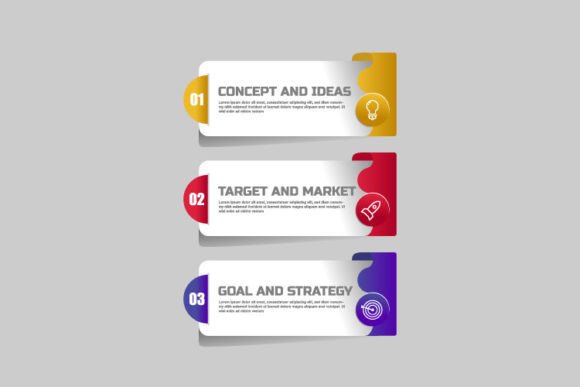
Creative Infographic Three Steps Clipart: Graphics & Web Elements
First Impressions: Clean, Flexible, and Ready for Commercial Use
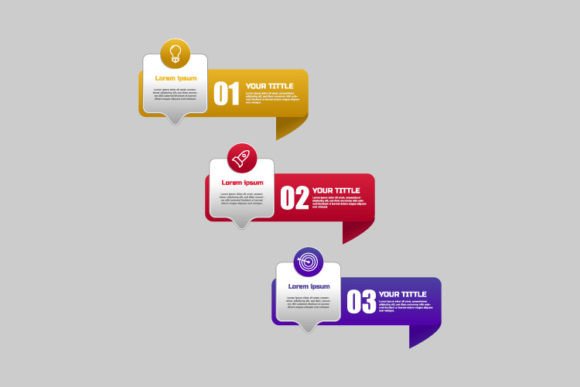
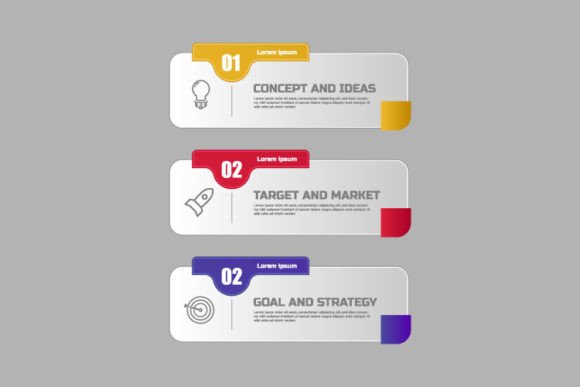
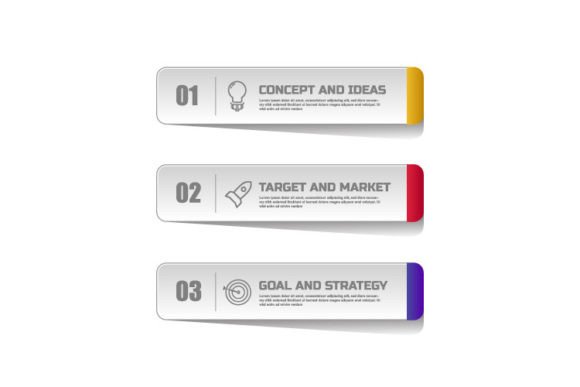
When I opened Creative Infographic Three Steps Clipart, my first thought was, “This is a workhorse asset.” It’s not flashy or overly stylized—no glitter, no hand-drawn texture overload—but it carries quiet confidence. The layout is balanced, the spacing intentional, and the visual hierarchy clear: three distinct steps, each with room for text or icons. It leans modern-minimalist with soft curves and generous negative space—ideal for wellness brands, educators, productivity coaches, and small business consultants. It doesn’t scream “cute” or “festive,” so it avoids seasonal expiration. Instead, it feels timeless, professional, and quietly versatile—exactly what I look for in a reusable graphic design asset.
Real-World Product Testing: From Mockup to Marketplace
I tested Creative Infographic Three Steps Clipart across six product types before finalizing my Etsy listing: Canva planner templates, printable goal-trackers, SVG cut files for Cricut planners, sublimation-ready mug designs, digital wall art bundles, and social media carousel graphics. In every case, it held up. As a PNG design, the transparent background made layering effortless in Canva and Photoshop. As an SVG design, the clean paths cut precisely on my Cricut Maker—no stray nodes or overlapping anchors. The JPG and EPS versions rendered crisply in print-on-demand previews, and the AI file let me adjust stroke weights and color palettes without degradation.
Where This Clipart Shines (and Where It Doesn’t)
Creative Infographic Three Steps Clipart works best when clarity matters more than ornamentation. It elevates printable design collections—think habit trackers, onboarding guides, or workshop worksheets—because the three-step structure instantly communicates process. It adds polish to digital download bundles sold on Creative Fabrica or Shopify, especially when paired with coordinating fonts and subtle textures. For social media graphics, it scales beautifully into Instagram carousels or Pinterest infographics. And as a web elements component, it slots cleanly into landing pages, email headers, or course dashboards.
But it’s not universal. Avoid using it as a tiny sticker detail—it lacks micro-detail for 0.5-inch cuts. Don’t force it into dense layouts with competing icons or heavy patterns; its strength is breathing room. On dark backgrounds, test contrast carefully—the default light-gray strokes may need manual color adjustment. And if your t-shirt design or tote bag print relies on ultra-fine lines for screen printing, zoom in on the SVG path integrity first. Not all versions render identical line weights at 12pt size.
Smart Pairings for Stronger Listings
This clipart thrives when intentionally paired—not just dropped in. I matched it with:
- Serif fonts (like Playfair Display) for editorial credibility in printable wall art;
- Sans serif fonts (Inter or Montserrat) for clean Canva templates and digital courses;
- Script fonts (Dancing Script) for soft accents in invitation templates—used sparingly, only as step labels;
- Handwritten fonts for planner stickers, but only after converting the clipart to outline-first to avoid alignment drift;
- Display fonts for bold mug or tumbler wraps—where the infographic becomes a framing device, not the focal point.
Product Presentation: How It Lifts Your Shop’s Perception
One underrated strength of Creative Infographic Three Steps Clipart is how it improves product mockup credibility. When layered over a realistic notebook or laptop preview, it signals professionalism—not “found online,” but “designed with purpose.” It also boosts thumbnail appeal on Etsy: the three-step rhythm creates natural eye movement, increasing click-through potential. Bundling it with complementary design assets—like matching icon sets or gradient swatches—strengthens perceived value in creative marketplace listings. And because it supports both decorative use (element design and background) and functional use (print, decoration), it helps unify a seasonal collection under one visual language—say, Q2 goal-setting kits or back-to-school educator bundles.
Critical Seller Checks Before Publishing
Before uploading any product built with this asset, I run these five checks:
- Mockup realism: Drop it into at least two real product mockups (e.g., a printable PDF preview + a tumbler wrap). Does it scale without pixelation? Does spacing hold?
- Thumbnail test: Resize the main image to 400px wide—the common Etsy thumbnail width. Is the three-step flow still legible? Are labels readable?
- Background contrast: Preview on white, charcoal, and pastel backgrounds. Adjust stroke or fill colors if needed for accessibility.
- PNG transparency: Open in a layer-based editor. Confirm no hidden white edges or anti-aliasing halos.
- Licensing confirmation: Re-read the commercial license. Verify you’re allowed to sell finished products (e.g., Canva templates, SVG cut files, sublimation designs) without attribution—and that resale of the raw files is prohibited.
Final Verdict for Digital Sellers
Creative Infographic Three Steps Clipart isn’t a trend-chasing novelty—it’s infrastructure. It supports small business branding by offering consistent, scalable visual storytelling across touchpoints: from a client onboarding PDF to an Instagram story highlight to a physical workshop handout. It fits naturally into handmade business workflows where time is scarce but polish matters. And because it ships with AI, EPS, PNG, JPG, and SVG, it reduces format friction across platforms—no last-minute conversions or resolution panic before hitting “publish.” If your shop sells printable design, SVG design, or commercial design assets, this is a low-risk, high-flexibility addition. Just remember: its power lies in restraint. Let the structure speak—and build around it, not over it.